Understanding Pricing Trends in the Steel Distribution Industry
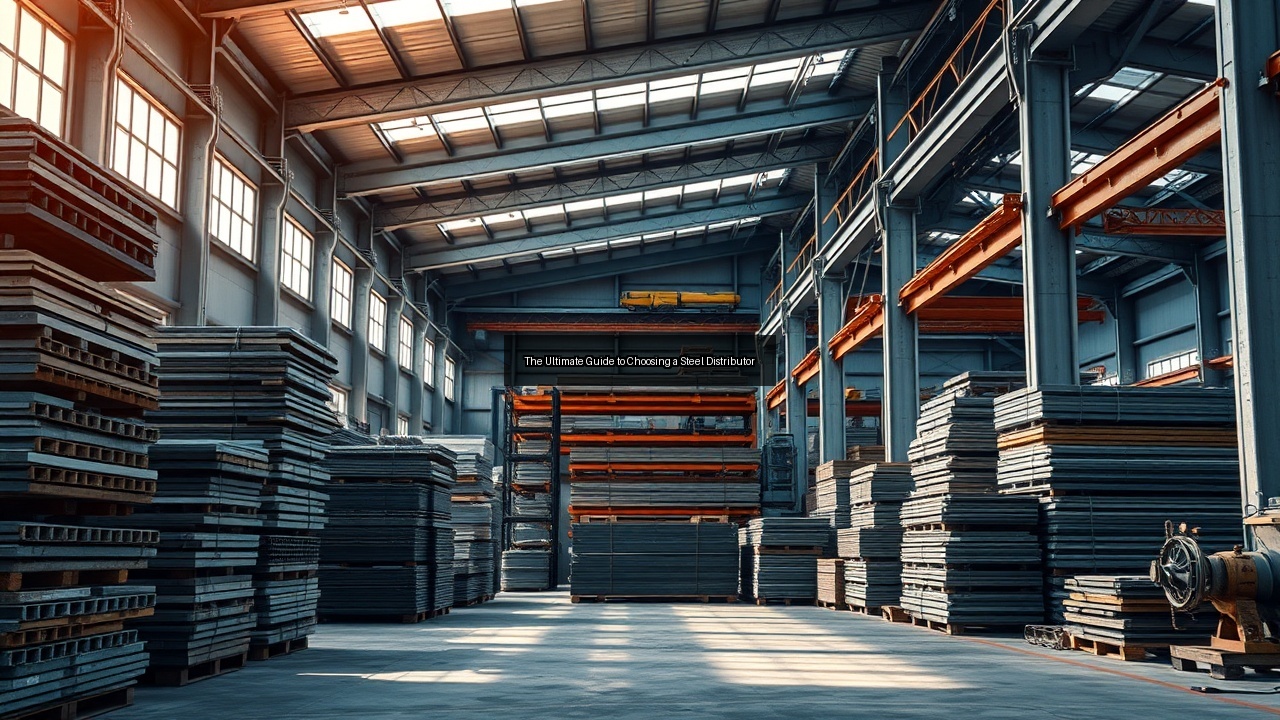
Current Pricing Trends in the Steel Distribution Industry
Overview of Pricing Dynamics
Steel pricing moves quickly in response to raw material costs and buyer demand. Distributors track weekly changes in hot rolled coil and sheet prices to adjust quotes for customers. A steel distributor monitors mill output levels closely because any shortfall pushes spot prices higher within days. Current dynamics show steady upward pressure on base metals as energy costs rise and capacity utilization stays elevated across major mills. Distributors who maintain large inventories gain an edge by locking in lower rates before market spikes hit. Buyers in construction and manufacturing watch these shifts daily to time their purchases effectively. Pricing transparency has improved through digital platforms that aggregate quotes from multiple steel distributors in real time. This visibility helps customers compare offers and negotiate better terms without delay.
Market reports indicate average price increases of 8 to 12 percent over the past quarter for standard grades. Distributors respond by offering volume discounts on larger orders to maintain steady volume. The overall trend favors suppliers who diversify their sources across domestic and imported metals. Customers benefit when distributors provide clear breakdowns of base price plus extras for processing and delivery. These practices keep transactions efficient even as underlying costs fluctuate.
Factors Influencing Steel Prices
Raw material inputs such as iron ore and scrap drive the largest share of steel price movement. When scrap values climb, mills pass those increases directly to distributors and end users. Energy prices also play a major role because melting and rolling operations consume substantial electricity and natural gas. Labor shortages at mills further tighten supply and support higher quotes. Trade policies and tariffs add another layer of complexity that steel distributors must factor into every contract. Currency fluctuations affect the landed cost of imported material and can swing competitive positioning overnight. Demand from key sectors like automotive and infrastructure creates additional upward or downward pressure depending on project pipelines. Distributors who maintain strong relationships with multiple mills secure more stable allocation during tight periods. This network approach reduces exposure to sudden price surges triggered by any single supplier disruption.
Impact of Global Supply Chain on Pricing
Global supply chain disruptions continue to shape steel pricing through extended lead times and higher freight rates. Port congestion and container shortages raise the cost of imported coils and sheets that many distributors rely upon. A steel distributor that sources from overseas must now build extra buffer time into delivery schedules to avoid production halts at customer facilities. Regional conflicts and weather events further interrupt vessel schedules and push spot prices higher for urgent orders. Domestic mills have gained market share as buyers seek shorter, more reliable supply chains. Distributors that invest in regional warehouses reduce their dependence on long-haul logistics and stabilize pricing for local customers. These strategic moves help offset the volatility introduced by international shipping constraints. Overall, supply chain resilience now ranks as a core competitive advantage for any distributor of steel.
Types of Steel Distributed and Their Pricing
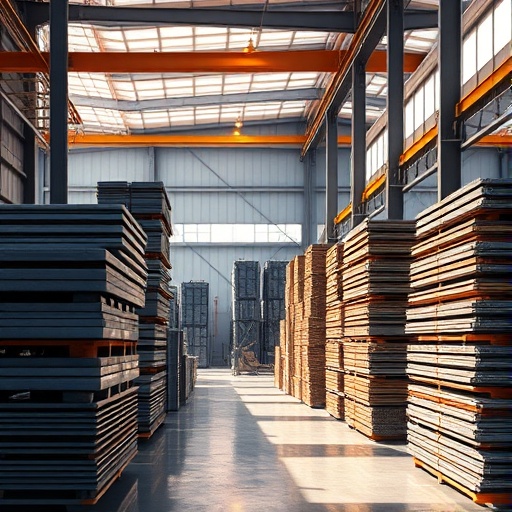
High-Speed Steel Pricing Trends
High speed steel commands premium pricing because of its specialized alloy content and demanding heat treatment requirements. Distributors track tungsten and molybdenum prices closely since these elements represent a significant portion of material cost. Recent quarters have seen steady increases as aerospace and tooling demand remains strong. A steel distributor handling high speed steel grades often maintains separate inventory categories to match varying customer specifications. Pricing structures typically include base metal cost plus extras for diameter, length, and surface finish. Tool manufacturers seek reliable supply of consistent quality, which gives established distributors an advantage in contract negotiations. Market data shows high speed steel prices rising between 10 and 15 percent year over year as raw alloy availability tightens. Distributors respond by offering technical support and just-in-time delivery programs that justify the higher margins.
Tool Steels: Market Overview
Tool steels serve critical roles in die making, mold production, and cutting applications across multiple industries. Pricing reflects both alloy composition and the precision processing required to meet tight tolerances. Distributors segment tool steel inventory by grade families such as A2, D2, and H13 to align with specific customer needs. Market demand stays resilient because replacement parts and new tooling projects continue despite broader economic uncertainty. A distributor of steel that specializes in tool steels often provides value-added services like saw cutting and grinding to capture additional margin. Price lists update monthly to reflect mill surcharges on key alloying elements. Customers in the automotive and consumer goods sectors rely on predictable tool steel availability to keep production lines running. Distributors that stock popular sizes in depth help buyers avoid costly delays when urgent orders arise.
Stainless Steel and Galvanized Steel Pricing
Stainless steel pricing tracks nickel and chromium movements on global exchanges while galvanized steel follows zinc costs and hot rolled base prices. Distributors maintain separate pricing matrices for each category because corrosion resistance requirements vary widely among end users. Stainless grades see strong demand from food processing and medical equipment manufacturers who prioritize hygiene and longevity. Galvanized material remains popular for outdoor structures, vehicle frames, and agricultural equipment where rust protection matters most. A steel distributor serving both markets balances inventory to capture seasonal swings in construction activity. Recent price trends show stainless holding firmer than galvanized due to sustained nickel demand. Distributors that offer mixed loads of stainless and galvanized help customers consolidate shipments and reduce freight expenses. This flexibility improves overall value while meeting diverse metal requirements in a single transaction.
The Role of Steel Distributors in Market Pricing
How Distributors Set Prices
Steel distributors calculate prices by combining mill costs, processing fees, inventory carrying expenses, and desired margins. They adjust these formulas daily based on incoming mill announcements and competitor activity. A steel metal distributor with strong mill relationships often secures early allocations that allow more competitive quoting during allocation periods. Pricing teams review regional demand signals and freight rates before finalizing customer offers. Volume commitments from large buyers influence the discounts distributors can extend without eroding profitability. Transparent pricing models that separate base metal from extras help customers understand true costs and build trust. Distributors also monitor scrap and secondary market prices to identify opportunities for competitive positioning on standard grades. This disciplined approach keeps pricing aligned with both market realities and customer expectations.
Negotiation Strategies with Customers
Successful negotiation begins with understanding each customer’s total cost of ownership rather than focusing solely on unit price. Distributors offer extended payment terms or bundled processing services to create value beyond simple discounts. A steel distributor that maintains accurate inventory data can commit to firm pricing for longer periods, giving buyers budget certainty. Volume-based rebate programs encourage loyalty while protecting distributor margins on smaller orders. When markets tighten, distributors emphasize reliability and lead-time guarantees instead of lowering prices indiscriminately. Collaborative forecasting with key accounts allows both parties to plan inventory and avoid costly rush charges. These strategies strengthen long-term relationships and reduce price erosion during volatile periods.
The Influence of Distribution Models on Pricing
Traditional warehouse models and direct mill shipment programs produce different pricing outcomes for the same steel grades. Distributors operating large regional facilities absorb more inventory risk but can offer faster local delivery and smaller minimum orders. Mill-direct models reduce handling costs and often deliver lower prices for high-volume customers willing to accept longer lead times. A distributor of steel that blends both approaches serves a wider range of buyer needs while optimizing margin mix. Digital ordering platforms further influence pricing by increasing transparency and accelerating quote turnaround. Customers compare offers across multiple channels in minutes, forcing distributors to maintain competitive yet sustainable price levels. The most effective models combine physical stock with digital tools to deliver both speed and cost efficiency.
Market Segmentation and Customer Demand
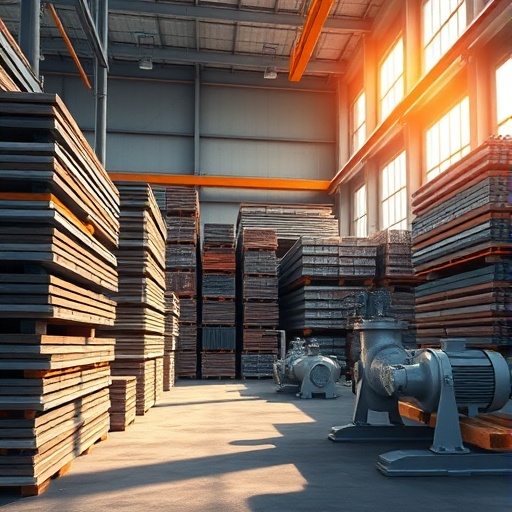
Key Customer Segments in Steel Distribution
Steel distribution serves diverse segments including fabricators, original equipment manufacturers, construction contractors, and maintenance shops. Each group exhibits distinct purchasing patterns and price sensitivity levels. Fabricators often buy smaller quantities of varied grades and value quick turnaround on cut-to-length material. OEMs place larger, more predictable orders and negotiate annual contracts with fixed pricing formulas. Construction buyers focus on galvanized and hot rolled products for structural applications where delivery timing drives project schedules. Maintenance operations seek small lots of specialty metals for emergency repairs. Distributors segment their sales teams and inventory strategies around these differences to maximize service levels and margin capture across the customer base.
Demand Trends for Vehicle and Pump Industries
The vehicle industry drives consistent demand for high-strength and galvanized steel used in chassis, body panels, and suspension components. Pump manufacturers require precision tool steels and stainless grades for impellers, housings, and shafts that withstand corrosive fluids. Both sectors favor distributors capable of supplying certified material with full traceability documentation. Recent production increases in electric vehicle platforms have boosted orders for advanced high-strength steels. Pump demand remains steady in oil and gas, water treatment, and industrial processing applications. A steel distributor serving these industries invests in quality certifications and technical expertise to meet stringent specifications. Volume commitments from vehicle and pump customers provide the predictable throughput that supports efficient inventory management and stable pricing.
Regional Variations in Steel Pricing
Regional steel pricing reflects local mill capacity, transportation costs, and prevailing demand patterns. Coastal markets often see greater influence from import pricing while inland regions rely more heavily on domestic production. A steel distributor with multiple warehouse locations adjusts regional price lists to account for freight differentials and competitive intensity. Labor costs and regulatory environments also contribute to price gaps between states and metropolitan areas. Customers located near major mills typically enjoy shorter lead times and lower delivered prices. Distributors serving remote or rural markets build higher margins into quotes to cover extended delivery expenses. These regional dynamics require ongoing monitoring and flexible pricing policies to remain competitive across geographic territories.
Future Outlook for Steel Pricing and Distribution
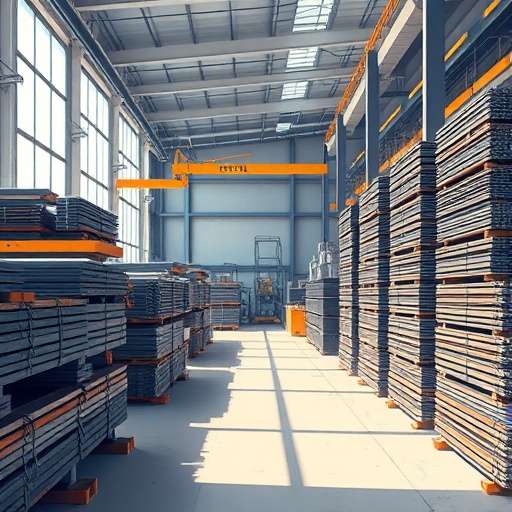
Predictions for Steel Pricing Trends
Steel pricing will likely experience continued volatility driven by energy costs, trade policy shifts, and evolving demand patterns. Analysts expect modest average increases over the next two years as capacity expansions lag behind projected consumption growth. Distributors anticipate tighter supply in specialty grades such as high speed steel and certain tool steels. Forward contracts and hedging programs will gain popularity among larger customers seeking price stability. A steel distributor that invests in demand forecasting tools will better anticipate market turns and protect margins. Overall, pricing will remain sensitive to macroeconomic indicators and global trade developments that affect both raw materials and finished metals.
Emerging Technologies in Steel Distribution
Digital platforms now enable real-time inventory visibility and automated quoting across multiple distributor locations. Artificial intelligence assists with demand prediction and optimal stock placement to reduce carrying costs. Automated cutting and packaging equipment shortens order fulfillment times while improving accuracy. Distributors adopting these technologies gain efficiency advantages that translate into more competitive pricing. Blockchain pilots aim to enhance material traceability from mill to end user, meeting growing customer requirements for supply chain transparency. Mobile applications allow field sales teams to check stock and generate quotes on site. These innovations reshape how steel distributors interact with customers and manage day-to-day operations.
Sustainability and Its Effect on Pricing
Sustainability initiatives increasingly influence steel pricing through higher costs for low-carbon production methods and recycled content verification. Distributors face rising demand for environmentally responsible material from customers with corporate emission targets. Premium pricing for green steel grades reflects additional processing and certification expenses. A steel distributor that tracks environmental product declarations helps customers meet regulatory and reporting obligations. Investments in energy-efficient warehouse operations and electric delivery fleets add operational costs that eventually factor into service pricing. Longer term, sustainability will become a standard element of competitive positioning rather than a niche offering. Distributors that integrate these requirements early will capture market share from buyers prioritizing environmental performance alongside traditional cost and service metrics.
See Also
- The Essential Role of Steel Distributors in the Manufacturing Supply Chain
- Unlocking the Secrets of Steel Distribution for Your Next Project
- Navigating the World of High-Speed Steel and Its Distributors
- Exploring the Benefits of Working with a Local Steel Distributor
- How to Choose the Right Steel Distributor for Your Business Needs