Welding Innovations in Swiss Precision Machining from Wisconsin
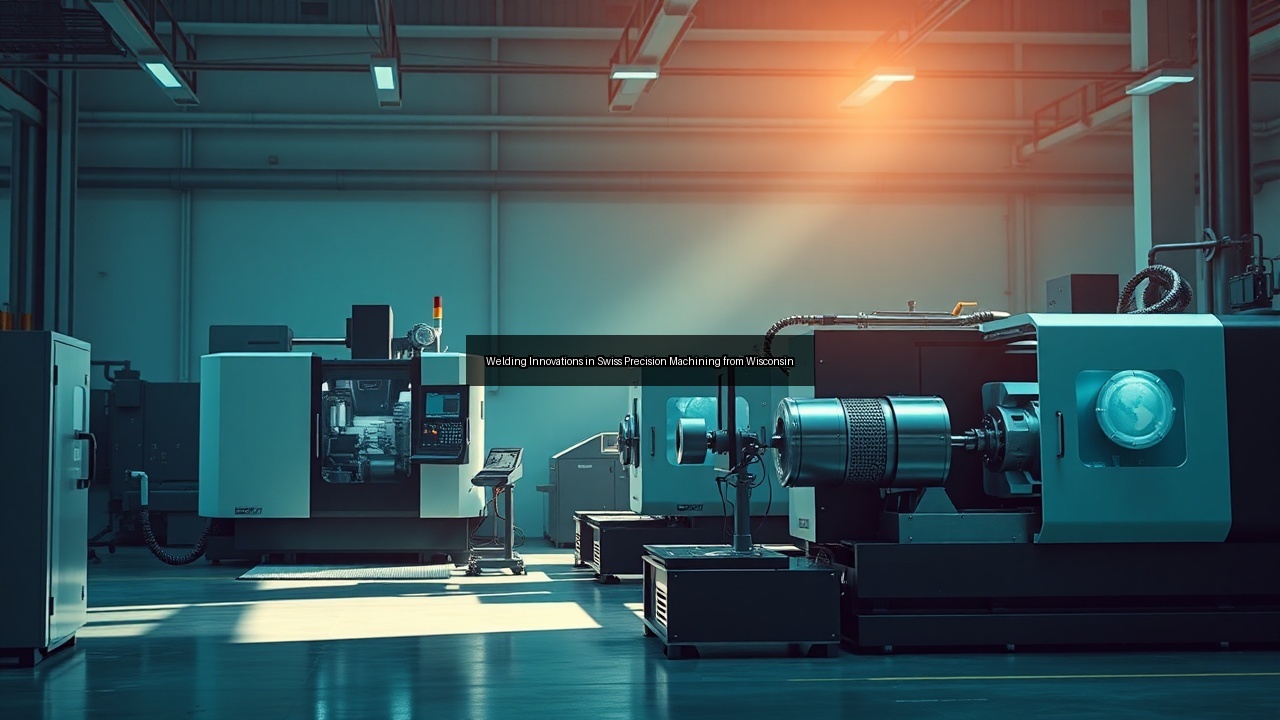
The Evolution of Swiss Precision Machining in Wisconsin
Historical Background of Swiss Machining
Wisconsin has long been a hub for manufacturing, with a robust background in precision machining that dates back to the early 20th century. The introduction of Swiss precision machining, known for its ability to produce small, intricate components with remarkable accuracy, revolutionized the local landscape. Swiss machining utilizes specialized lathes that allow for the creation of highly detailed parts with tight tolerances. This technique quickly gained traction, particularly in industries requiring precise components, such as the aerospace and automotive sectors. Over the decades, Wisconsin's skilled workforce adapted to these demands, mastering the art of Swiss machining and establishing the state as a leader in the field.
Transition to High-Tech CNC Technologies
The evolution from traditional swiss cnc machining Swiss machining methods to high-tech CNC (Computer Numerical Control) technologies marked a significant shift in Wisconsin's manufacturing capabilities. CNC machining centers, equipped with advanced software, allow for automated precision and flexibility in production. This transition improved efficiency, reduced human error, and enhanced the overall quality of machined parts. Wisconsin companies invested heavily in CNC lathes and milling machines, enabling them to meet the increasing demands for custom precision machining. As industries embraced automation and smarter manufacturing processes, Wisconsin solidified its reputation for delivering high-quality, precision-machined components across various sectors.
Welding Innovations Transforming Precision Machining
Advanced Welding Techniques
Welding innovations have significantly impacted the landscape of precision machining in Wisconsin. Techniques such as laser welding and electron beam welding offer precision and speed that traditional methods cannot match. These advanced welding techniques enable manufacturers to bond materials with minimal distortion, preserving the integrity of machined parts. The integration of these technologies into Swiss machining processes provides manufacturers with a competitive edge, allowing for the production of complex assemblies that require precise alignment and strong joints. As industries evolve, the demand for such innovations grows, making advanced welding a crucial component of Wisconsin's machining ecosystem.
Integration of Welding in CNC Operations
The integration of welding into CNC operations marks a significant advancement in the manufacturing process. By combining CNC machining with welding capabilities, companies can streamline production workflows and enhance accuracy. For instance, components can be machined and welded in a single setup, reducing the need for multiple operations and minimizing handling time. This integration not only improves efficiency but also elevates the level of precision that manufacturers can achieve. Wisconsin's machining centers are increasingly adopting this approach, allowing for the creation of complex assemblies while maintaining the high tolerances and quality that Swiss machining is known for.
Applications in Aerospace and Automotive Industries
The aerospace and automotive industries heavily rely on the innovations in welding and precision machining. Swiss machined components are vital for the production of aircraft engines, landing gear, and various critical systems in aerospace. Similarly, the automotive industry demands high-precision parts for engine components, transmission systems, and safety features. The combination of advanced welding techniques and CNC machining capabilities allows Wisconsin manufacturers to deliver robust and reliable components that meet industry standards. As these sectors continue to evolve, Wisconsin's commitment to innovation in welding and precision machining positions it as a key player in meeting their demands.
Key Players and Technologies in Wisconsin's Machining Landscape
McCormick Industries: A Leader in Swiss Machining
McCormick Industries stands out as a leader in Wisconsin's Swiss precision machining landscape. With decades of experience, the company specializes in producing high-accuracy components that cater to various industries, including aerospace and telecommunications. Their investment in state-of-the-art CNC machining centers reflects a commitment to quality and innovation. McCormick Industries employs skilled machinists who ensure that every part meets stringent tolerances and specifications. By leveraging advanced Swiss machining techniques and integrating modern welding methods, McCormick remains at the forefront of the industry, setting benchmarks for precision and reliability.
Overview of CNC Turning and Milling Machines
CNC turning and milling machines play a crucial role in the precision machining process. Turning machines, including CNC lathes, excel at shaping cylindrical components, while milling machines can create complex geometries and intricate designs. The versatility of these machines allows manufacturers to adapt to various production requirements, whether it’s for small batch runs or high-volume production. Wisconsin's machining centers are equipped with advanced CNC technology that enhances efficiency and precision. These machines can achieve tolerances as tight as a few microns, ensuring that every machined part meets the high standards expected in industries like aerospace and automotive.
Precision Tolerances in Machined Parts
Achieving precision tolerances is a hallmark of Swiss machining, and Wisconsin manufacturers excel in this area. The ability to produce machined parts with tolerances often within 0.001 inches (25 microns) or better is vital for applications in aerospace, automotive, and electronics. Strict adherence to these tolerances ensures that each component functions as intended, especially in high-stakes environments where failure is not an option. Companies in Wisconsin leverage advanced CNC technology, skilled labor, and rigorous quality control processes to guarantee that their products consistently meet the highest standards of accuracy.
Future Trends in Swiss Precision Machining and Welding
Impact of Automation on Machining
The future of Swiss precision machining in Wisconsin will be heavily influenced by automation. The rise of smart manufacturing, characterized by the use of IoT (Internet of Things) and machine learning, enables manufacturers to optimize processes, reduce waste, and enhance product quality. Automated systems can monitor machine performance in real-time, allowing for predictive maintenance and minimizing downtime. As Wisconsin manufacturers adopt these advanced technologies, they will increase their competitiveness in the global market, ensuring that they remain leaders in precision machining and custom manufacturing.
Sustainable Practices in Precision Manufacturing
As industries evolve, sustainability has become a focal point in precision manufacturing. Wisconsin companies are increasingly adopting eco-friendly practices, such as reducing waste, recycling materials, and implementing energy-efficient processes. The integration of sustainable practices not only benefits the environment but also appeals to consumers who prioritize environmentally responsible swiss cnc machining products. Innovations in welding and machining techniques contribute to lower energy consumption and reduced emissions, making Wisconsin a pioneer in sustainable Swiss precision machining. This commitment to sustainability will be essential for future growth and acceptance in a market that increasingly values responsible manufacturing.
Emerging Markets: Telecommunications and Optics
The telecommunications and optics industries present exciting opportunities for Wisconsin's precision machining sector. The demand for high-precision components continues to grow as technology advances and the need for faster, more efficient communication increases. Swiss machined components are integral to manufacturing devices like fiber optic connectors and electronic enclosures. Wisconsin companies that specialize in CNC machining and advanced welding techniques are well-positioned to capitalize on these emerging markets. By focusing on innovation and quality, Wisconsin manufacturers can expand their reach and become key suppliers in the rapidly evolving telecommunications and optics industries.