Driving Change Green Bay Plastics Commitment to Renewable Resources
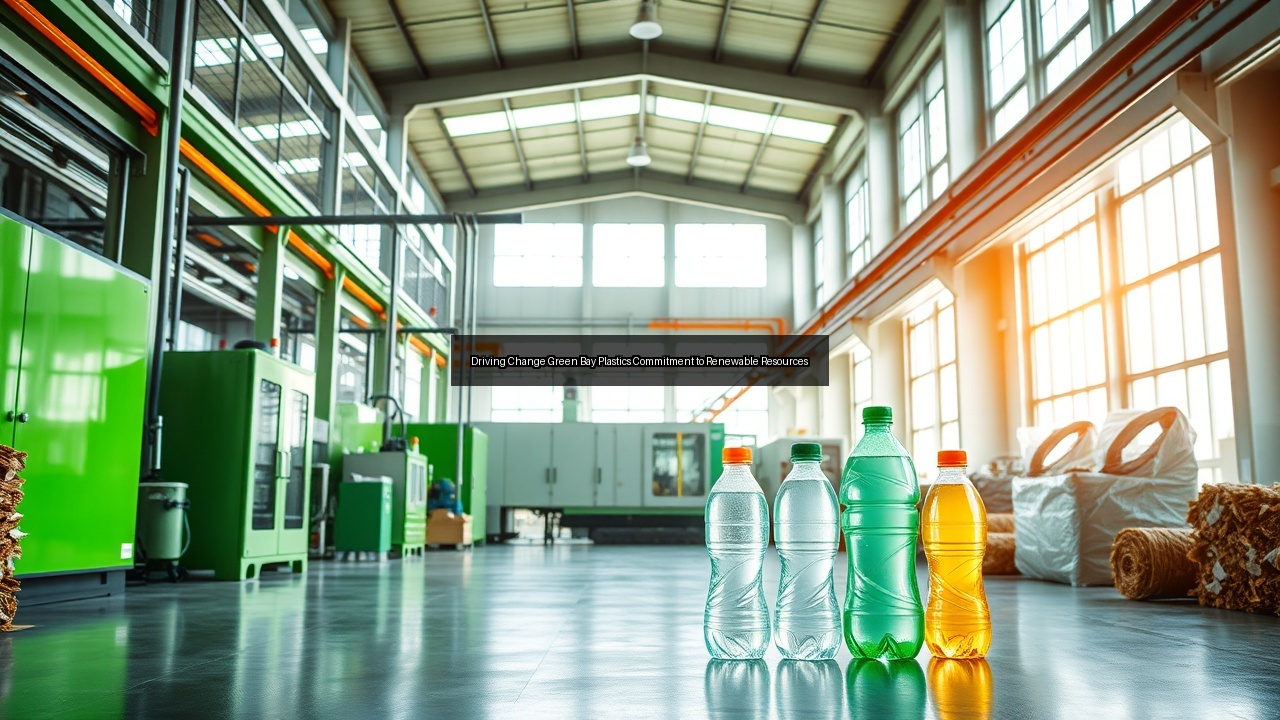
The Commitment to Sustainability at Green Bay Plastics
Overview of Green Bay Plastics
Green Bay Plastics stands at the forefront of the plastics manufacturing industry, dedicated to producing high-quality plastic products while prioritizing sustainability. This innovative company, based in the heart of the USA, specializes in creating blow-molded bottles and containers, particularly for industries like motor oil and packaging solutions. The brand's commitment goes beyond just manufacturing; it embodies a philosophy of environmental responsibility. By embracing renewable resources and sustainable practices, Green Bay Plastics aims to lead the charge towards a greener future, proving that profitability and sustainability can coexist in the plastics sector.
Importance of Sustainability in Plastics Manufacturing
Sustainability has become an essential focus in the plastics manufacturing industry, driven by growing consumer awareness and regulatory pressures. The implications of plastic waste on the environment are significant, prompting manufacturers like Green Bay Plastics to rethink their production processes and materials. By adopting sustainable practices, companies can reduce their carbon footprint, conserve water, and promote plastic recycling. Green Bay Plastics recognizes that sustainability is not merely a trend; it is a necessity for the survival of our planet. The company’s commitment reflects a broader shift in consumer expectations, where eco-friendly products and transparent manufacturing processes are becoming the norm.
How Green Bay Plastics Implements Renewable Resources
Green Bay Plastics actively integrates renewable resources into its manufacturing processes. The company utilizes high-density polyethylene (HDPE), a recyclable material known for its durability and versatility. This choice not only enhances the quality of their products but also supports a circular economy by facilitating easier recycling. Additionally, Green Bay Plastics invests in energy-efficient technologies and practices, further minimizing environmental impact. By sourcing materials responsibly and focusing on renewable energy sources, the company exemplifies how modern manufacturing can be both productive and sustainable. Their commitment to renewable resources illustrates a proactive approach to addressing environmental challenges in the plastics industry.
Innovative Packaging Solutions
Eco-Friendly Packaging Initiatives
Green Bay Plastics actively promotes eco-friendly packaging initiatives GB plastics that align with its sustainability goals. The company understands that packaging plays a crucial role in environmental impact, influencing both consumer choices and waste management challenges. By developing innovative packaging solutions, Green Bay Plastics reduces the amount of plastic waste generated. Their products are designed to be lightweight yet durable, minimizing material use while maintaining functionality. This emphasis on eco-friendliness not only meets consumer demand for sustainable options but also positions Green Bay Plastics as a leader in the responsible packaging movement. Each bottle and container reflects a commitment to sustainability, showcasing the company’s dedication to reducing its environmental footprint.
Blow Molded vs. Traditional Packaging
The technique of blow molding distinguishes Green Bay Plastics from traditional packaging methods. Blow molded products offer enhanced strength and flexibility, making them ideal for various applications, from motor oil containers to beverage bottles. This method reduces material waste during production, contributing to sustainability goals. Traditional packaging often involves additional components and materials that can lead to increased waste. By focusing on blow-molded solutions, Green Bay Plastics maximizes efficiency and sustainability. The streamlined design of blow molded products not only appeals to manufacturers seeking cost-effective solutions but also resonates with environmentally conscious consumers. This innovative approach to packaging reflects the company's commitment to reducing environmental impact while delivering high-quality products.
The Role of HDPE in Sustainable Packaging
High-density polyethylene (HDPE) plays a pivotal role in Green Bay Plastics’ approach to sustainable packaging. HDPE is a versatile, recyclable material known for its strength and resistance to impact, making it ideal for a wide array of applications. By using HDPE in their products, Green Bay Plastics ensures that their packaging is not only effective but also environmentally friendly. The ability to recycle HDPE helps close the loop in the plastic lifecycle, promoting a more sustainable model. The company’s focus on HDPE reinforces its commitment to eco-friendly practices, demonstrating how the right material choices can lead to significant environmental benefits. Consumers increasingly seek products that contribute to a sustainable future, and Green Bay Plastics’ use of HDPE aligns perfectly with this demand.
The Impact of Renewable Resources on the Environment
Reducing Carbon Footprint in Manufacturing
Green Bay Plastics is dedicated to reducing its carbon footprint through various initiatives aimed at minimizing greenhouse gas emissions during manufacturing. The transition to renewable resources, such as solar and wind energy, enables the company to power its operations sustainably. By investing in energy-efficient machinery and optimizing production processes, Green Bay Plastics significantly lowers its energy consumption. These efforts not only enhance operational efficiency but also contribute to global climate goals. The company's proactive stance on carbon reduction sets a benchmark for other manufacturers in the plastics industry, illustrating that sustainability and profitability can go hand in hand. By prioritizing renewable energy, Green Bay Plastics positions itself as a responsible corporate citizen committed to protecting the environment.
Water Conservation Practices
Water is a precious resource, and Green Bay Plastics recognizes the importance of conserving it within its manufacturing processes. The company implements several water conservation practices, including recycling and reusing water in production. By reducing water consumption, Green Bay Plastics minimizes its environmental impact and contributes to the sustainability of local ecosystems. Moreover, these practices align with broader industry goals of reducing water usage and promoting responsible resource management. As water scarcity becomes an increasing concern globally, Green Bay Plastics’ commitment to conservation not only meets regulatory requirements but also demonstrates its dedication to environmental stewardship. The company's efforts reflect a comprehensive approach to sustainability that encompasses all aspects of its operations.
Recycling Initiatives and Plastic Waste Management
Green Bay Plastics actively engages in recycling initiatives that address the growing plastic waste crisis. The company collaborates with local communities and organizations to promote plastic recycling and educate consumers on proper waste management. Through these initiatives, Green Bay Plastics seeks to create a culture of recycling that extends beyond GB plastics its products. Their commitment to responsible plastic waste management includes designing products that are easily recyclable, thus facilitating a circular economy. By reducing plastic waste, the company contributes to cleaner environments and healthier ecosystems. Green Bay Plastics demonstrates that proactive recycling initiatives can significantly mitigate the environmental impact of plastic production and consumption, positioning itself as a leader in the movement towards a sustainable future.
Future Directions for Green Bay Plastics
Expanding Renewable Energy Usage
Looking ahead, Green Bay Plastics aims to expand its use of renewable energy sources across its operations. The company recognizes that increasing its reliance on sustainable energy is vital for reducing its overall carbon footprint. By investing in solar panels and exploring wind energy options, Green Bay Plastics will enhance its sustainability profile while also potentially lowering operational costs. This strategic direction aligns with broader industry trends towards renewable energy and positions the company as a forward-thinking leader in the plastics manufacturing sector. As the demand for eco-friendly practices grows, Green Bay Plastics’ commitment to expanding its renewable energy usage will resonate with consumers and stakeholders who prioritize sustainability.
Collaborations with Corporations for Sustainable Practices
Green Bay Plastics actively seeks partnerships with corporations that share its commitment to sustainability. Collaborative efforts can amplify the impact of eco-friendly practices across various industries. By working together, companies can leverage resources, share information, and develop innovative solutions to common challenges. These collaborations not only enhance the sustainability of Green Bay Plastics’ operations but also foster a community of like-minded businesses dedicated to environmental responsibility. Through these partnerships, Green Bay Plastics demonstrates that collective action can drive significant change in the plastics industry and beyond, paving the way for a more sustainable future.
Made in the USA: Commitment to Local Manufacturing
Green Bay Plastics proudly stands by its “Made in the USA” commitment, emphasizing the importance of local manufacturing in supporting the economy and reducing environmental impact. By producing its products domestically, the company minimizes transportation emissions and contributes to local job creation. This commitment also reflects a dedication to quality, as products manufactured in the USA often adhere to stringent environmental and safety standards. Furthermore, local manufacturing fosters a sense of community and accountability, ensuring that Green Bay Plastics remains engaged with its stakeholders. The company’s focus on domestic production exemplifies a holistic approach to sustainability that encompasses economic, social, and environmental dimensions, promoting a robust and responsible business model.