Exploring the Role of Carbon Steel Distributors in the Metal Supply Chain
Understanding Carbon Steel and Its Types
What is Carbon Steel?
Carbon steel forms the backbone of modern metal supply chains through its simple yet versatile composition of iron and carbon. A carbon steel distributor sources and supplies this material in multiple grades to meet exact project needs. Unlike more complex metals, carbon steel delivers strength and affordability without requiring extensive alloy additions. Fabricators rely on it for everything from structural beams to precision components because it responds well to heat treatment and machining. The material's properties shift dramatically with carbon content, allowing a single carbon steel distributor to serve industries as diverse as automotive manufacturing and heavy equipment production.
Classification of Carbon Steel: Low, Medium, and High Carbon
Low carbon steel contains less than 0.30 percent carbon and offers excellent weldability and formability, making it ideal for sheet metal and automotive panels. Medium carbon steel ranges from 0.30 to 0.60 percent carbon and balances strength with toughness for shafts and gears. High carbon steel exceeds 0.60 percent carbon and delivers superior hardness for cutting tools and springs. A carbon steel distributor maintains inventory across all three categories so customers avoid delays when specifications change. Proper classification prevents costly material failures in finished products.
Alloy Steel vs. Carbon Steel: Key Differences
Alloy steel incorporates elements such as chromium, nickel, or molybdenum to enhance corrosion resistance and performance under extreme conditions. Carbon steel relies solely on carbon for its mechanical properties, resulting in lower cost and simpler processing. A carbon steel distributor emphasizes this price advantage when clients need large volumes for non-corrosive environments. While stainless steel and alloy steel excel in harsh settings, carbon steel provides sufficient durability for most construction and transportation applications at a fraction of the expense. Selection ultimately depends on service environment and budget constraints.
Applications of Carbon Steel in Various Industries
Carbon steel appears in pipelines, heavy machinery, agricultural equipment, and pressure vessels because of its reliable tensile strength. Automotive plants use low carbon steel for body panels, while oil and gas operations specify high carbon grades for drill components. Infrastructure projects consume vast quantities for bridges and rail systems. A carbon steel distributor coordinates with mills to match these diverse requirements, ensuring consistent quality across shipments. Its widespread use stems from predictable behavior during fabrication and long service life under load.
The Essential Role of Carbon Steel Distributors
How Carbon Steel Distributors Operate
Carbon steel distributors purchase large coils and plates directly from mills, then cut, slit, and process material to customer specifications. They maintain regional warehouses stocked with common sizes to shorten lead times. When a project requires distributes carbon steel CA, local distributors leverage proximity to ports and rail lines for rapid delivery. Inventory management systems track grades and dimensions so fabricators receive exactly what drawings demand without excess scrap. This operational model bridges the gap between mill production schedules and urgent job-site needs.
Key Functions of a Carbon Steel Distributor
A carbon steel distributor handles sourcing, quality certification, custom processing, and just-in-time delivery. They verify mill test reports for each heat number and maintain traceability records required by many industries. Cutting services convert master coils into narrower widths or specific lengths that fit press brakes and laser cutters. Logistics teams arrange flatbed or rail transport to remote sites. These functions reduce the burden on manufacturers who would otherwise manage mill relationships and excess inventory themselves.
The Importance of Distribution in the Metal Supply Chain
Without carbon steel distributors, mills would face constant small-order fulfillment while end users would encounter long waits and minimum purchase requirements. Distributors aggregate demand, stabilize pricing through volume contracts, and absorb market fluctuations. They also provide technical support that helps engineers select the correct grade for each application. In regions like California, a carbon steel distributor ensures construction and manufacturing sectors maintain steady material flow despite geographic distance from primary steel-producing states.
Challenges Faced by Carbon Steel Distributors
Fluctuating raw material costs, tariff changes, and global shipping disruptions force distributors to adjust inventory strategies frequently. Maintaining safety stock for high-demand grades competes with warehouse space limitations. Quality consistency across multiple mills requires rigorous incoming inspection protocols. A carbon steel distributor must also train staff on evolving specifications for high-strength low-alloy grades while competing against direct mill sales to large accounts. These pressures demand sophisticated forecasting and strong supplier relationships.
Carbon Steel Products and Their Applications
Types of Carbon Steel Products Offered by Distributors
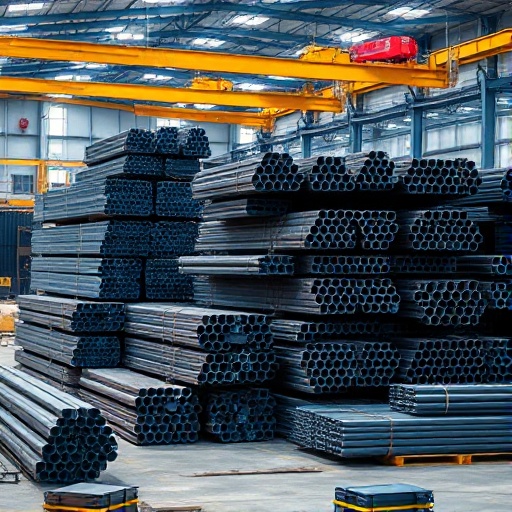
Distributors stock hot-rolled and cold-rolled sheet, plate, bar, structural shapes, and welded steel pipe in multiple carbon grades. They also supply slit coils, blanks, and flame-cut parts ready for fabrication. A carbon steel products distributor maintains both standard and specialty items such as high carbon steel strip for springs. Availability of these formats allows customers to order complete kits rather than sourcing components from several vendors.
The Use of Carbon Steel in Construction and Infrastructure
Construction crews rely on carbon steel for rebar, wide-flange beams, and decking because of its high strength-to-weight ratio and ease of welding on site. Infrastructure projects specify medium carbon steel for bridge girders that must withstand repeated loading cycles. A carbon steel distributor delivers certified material with mill traceability that satisfies DOT and building code inspections. Its predictable expansion characteristics also simplify design calculations for long-span structures.
Welded Steel Pipe: A Vital Product in Transportation
Welded steel pipe moves water, oil, and natural gas across continents with minimal leakage risk. Distributors supply ERW and DSAW pipe in diameters from 2 inches to over 48 inches, often with protective coatings applied before shipment. Transportation infrastructure depends on these pipes for culverts, piling, and conduit runs. A carbon steel distributor coordinates with coating applicators to meet project timelines while ensuring wall thickness and roundness tolerances remain within specification.
Innovations in Carbon Steel Product Manufacturing
Modern mills produce advanced high-strength steels through precise cooling and micro-alloying that improve formability without sacrificing strength. Distributors now offer laser-welded tailored blanks and hot-stamped components that reduce vehicle weight. These innovations reach end users faster because a carbon steel distributor invests in processing equipment that converts new mill products into ready-to-use formats. Continuous improvement in surface finishes also expands carbon steel use in visible architectural applications.
Finding and Selecting the Right Carbon Steel Distributor
Criteria for Choosing a Reliable Carbon Steel Supplier
Buyers evaluate inventory breadth, processing capabilities, delivery performance, and quality certifications when selecting a carbon steel supplier. ISO 9001 registration and mill-direct relationships signal consistent material availability. Local stock of common sizes reduces freight costs and lead times. A carbon steel distributor that provides value-added services such as saw cutting or beveling further streamlines fabrication workflows.
Top Carbon Steel Distributors in California
California fabricators benefit from distributors that maintain large inventories near ports and major highways. These suppliers handle both domestic and imported material, allowing projects to meet Buy American requirements when needed. A carbon steel distributor serving the state often stocks corrosion-resistant coatings suited to coastal environments. Strong logistics networks ensure next-day delivery to job sites from San Diego to the Central Valley.
Questions to Ask Your Carbon Steel Distributor
Request details on minimum order quantities, lead times for non-stock grades, and procedures for material substitutions. Ask how the distributor handles mill claims and whether they provide heat lot traceability documentation. Inquire about current pricing trends for low carbon steel sheet versus high carbon steel plate. These questions reveal operational maturity and help prevent costly surprises during production.
Understanding Pricing and Supply Chain Dynamics
Carbon steel pricing fluctuates with iron ore costs, energy prices, and import volumes. Distributors publish weekly price sheets that reflect mill increases and seasonal demand spikes. A carbon steel distributor can lock in pricing through forward contracts for large projects. Supply chain visibility tools now allow customers to track coil shipments from mill to warehouse, improving planning accuracy and reducing rush-order premiums.
The Future of Carbon Steel Distribution
Trends Shaping the Carbon Steel Market
Electrification of vehicles and renewable energy projects drive demand for high-strength carbon steel grades that reduce component weight. Distributors respond by expanding inventory of advanced high-strength steels and offering lighter-gauge options. Digital ordering platforms and real-time inventory apps improve customer experience while reducing administrative overhead for both parties.
The Impact of Sustainability on Carbon Steel Distribution
Steel producers increasingly use electric arc furnaces that incorporate recycled scrap, lowering the carbon footprint of each ton produced. A carbon steel distributor now tracks embodied carbon data for customers pursuing LEED or other green certifications. Packaging reduction and optimized load planning further decrease transportation emissions. These practices position carbon steel as a responsible choice compared with alternative materials.
Technological Advances in the Metal Supply Chain
Automated warehousing systems and AI-driven demand forecasting allow distributors to maintain leaner inventories without stockouts. Blockchain traceability platforms verify material origin from melt to final delivery. A carbon steel distributor adopting these tools gains competitive advantage through faster order fulfillment and reduced quality disputes. Integration with customer ERP systems also streamlines replenishment for high-volume accounts.